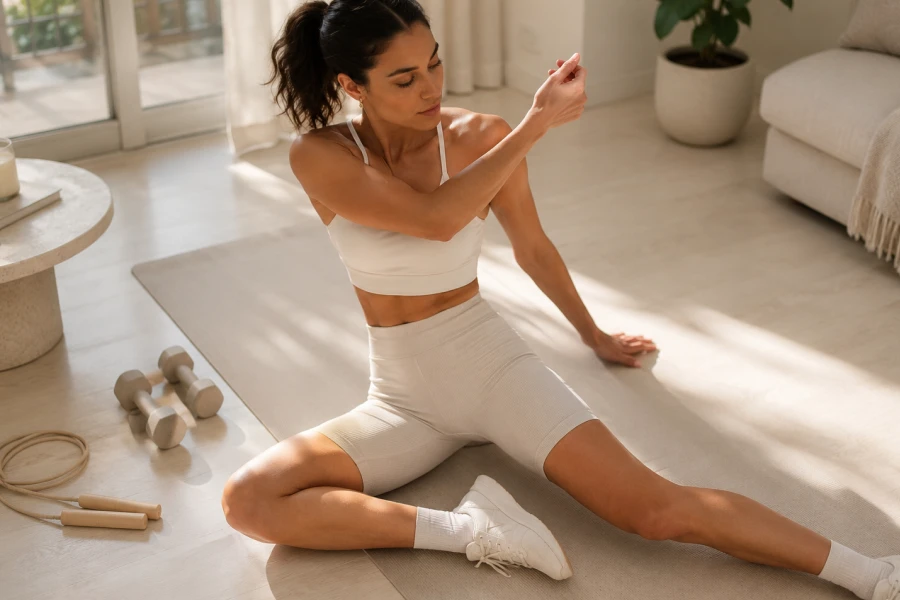
A strong fitness habit does not have to begin in a crowded studio or competitive environment. A solo sports routine can start quietly, with movement that feels realistic and personal. This approach gives beginners space to experiment. It also reduces the fear of being judged. You can choose your own pace. You can repeat simple sessions. You can build strength without performing for anyone. That independence is valuable. It helps movement become part of normal life. When the routine feels calm, it becomes much easier to keep.
Beginners often lose momentum because the plan feels vague. Clear starting points solve that problem. Choose one sport or activity first. Then choose a time, place, and minimum session length. Walking in the park after lunch is specific. Cycling for twenty minutes on Tuesday is specific. Stretching before breakfast is specific. With active lifestyle planning, decisions become easier. You stop negotiating with yourself every day. The routine already tells you what to do. That structure protects consistency.
A manageable session should leave you feeling successful, not defeated. Start shorter than you think necessary. This is especially helpful during the first month. Your body needs time to adapt. Your mind needs time to trust the habit. Use warmups, easy pacing, and gentle progressions. Avoid turning every session into a test. You are building capacity, not proving toughness. When the effort feels repeatable, you return more often. That frequency matters more than one dramatic workout. Small sessions build the foundation for bigger goals.
Recovery is not only for advanced athletes. Beginners need it too. New movement can create soreness, fatigue, and uncertainty. Rest days help your body rebuild. Gentle mobility can reduce stiffness. Sleep supports adaptation. Hydration and simple meals help energy return. With at-home fitness confidence, recovery becomes part of the plan instead of a sign of weakness. This mindset prevents burnout. It also teaches you to listen carefully. Your body gives useful feedback when you slow down enough to notice.
Tracking should support motivation, not create pressure. Keep your system simple. Record the date, activity, duration, and how you felt. Add one note about energy, mood, or difficulty. This gives you evidence over time. It also helps you identify patterns. Maybe mornings work better. Maybe evening sessions feel calmer. Maybe shorter sessions improve consistency. These observations guide better choices. Avoid comparing your numbers to someone else’s progress. Your data should help you understand yourself. That is where tracking becomes useful and encouraging.
Discipline does not have to feel harsh. In a solo format, it can feel like quiet self-respect. You show up because the routine supports your day. You practice because each session makes the next one easier. Over time, the habit becomes familiar. The friction drops. With sports for self-starters, discipline grows from ownership. No one needs to remind you. The reward becomes internal. You feel stronger because you kept a promise to yourself.
Busy weeks should not destroy the routine. They should simply change the version you use. Create a minimum option for stressful days. Ten minutes of movement can keep the habit alive. A short walk can replace a longer workout. A mobility session can replace a training day. This flexibility prevents all-or-nothing thinking. It also keeps your identity connected to movement. You are still someone who practices. You are still someone who returns. That matters during demanding seasons. Consistency survives when the plan can bend.
Once the routine feels stable, growth becomes easier. You can add variety, distance, technique, or intensity. You can try new routes. You can test new equipment. You can set a seasonal challenge. The goal is not to rush into complexity. It is to let confidence guide expansion. A simple habit can become a lifestyle when it continues long enough. That is the quiet power of solo movement. It begins with one manageable session. It continues because the experience feels genuinely yours.



Leave a comment