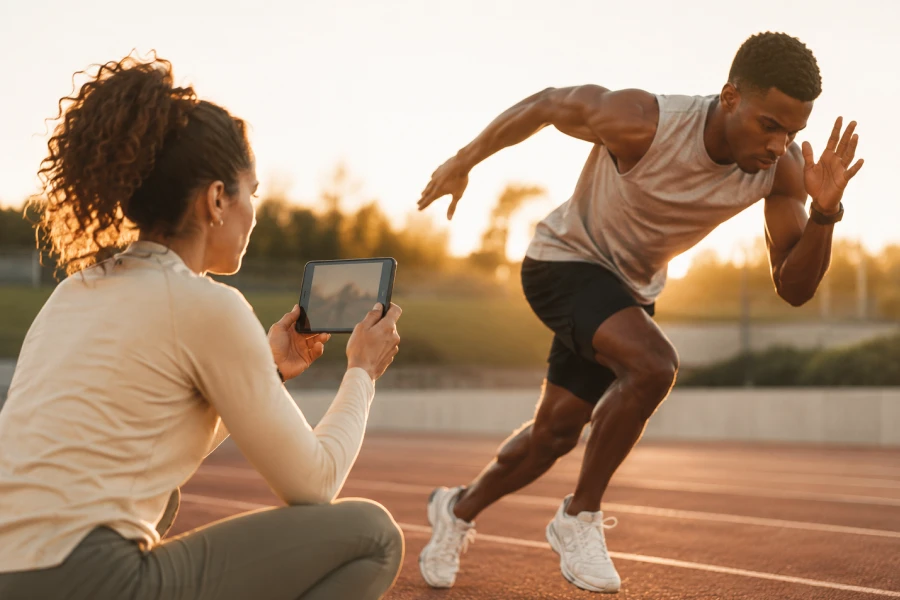
Coaching has always depended on observation, timing, and clear communication. Now ai technique feedback adds another layer to that process. It helps coaches and athletes review movement with more detail. It can highlight patterns that are easy to miss during live practice. This does not replace the coach. It gives the coach better information. Athletes also benefit from clearer visual learning. They can see what needs adjustment. They can connect instruction to movement. When used wisely, technology makes performance conversations more precise, practical, and collaborative.
Many athletes repeat the same technical errors without realizing it. A coach may notice them, but fast movement can be difficult to analyze in real time. Technology helps slow the moment down. It can compare angles, timing, balance, and repetition. With technique analysis for athletes, practice becomes more specific. The athlete understands what is happening. The coach can explain why it matters. This improves learning quality. It also helps sessions feel more focused and less dependent on guesswork.
Technology can identify patterns, but people understand context. A coach knows the athlete’s history, goals, confidence, and physical limits. That human judgment matters. Data needs interpretation before it becomes useful. A movement flaw may come from fatigue, fear, weakness, or misunderstanding. The same correction will not work for everyone. Strong coaching turns feedback into action. It decides what to prioritize first. It also keeps the athlete motivated. The best results come when technology supports expertise instead of trying to replace it.
Athletes often learn faster when feedback is visual and specific. Vague comments can be frustrating. Clear evidence is easier to understand. Ai technique feedback can show where movement changes from one rep to the next. It can reveal timing differences. It can make small adjustments more visible. With sports performance feedback, athletes can connect correction to sensation. That connection matters. Once they feel the difference, they can repeat it. Repetition then turns insight into skill.
Too much information can slow learning. Athletes do not need every number at once. They need the next useful correction. Coaches should choose the most important signal and explain it clearly. One cue may be enough for a session. This keeps practice focused. It also prevents athletes from overthinking. Data should simplify decisions, not complicate them. A helpful system turns analysis into priorities. It helps the athlete understand what to do now. That clarity makes technology feel supportive instead of distracting.
Single-session feedback is useful, but long-term tracking can be even stronger. Coaches can review whether an athlete’s movement is becoming more consistent. They can see if a correction holds under fatigue. They can identify patterns across weeks. Ai technique feedback makes those trends easier to discuss. With athlete performance tracking, progress becomes more visible. That visibility motivates athletes. It also helps coaches adjust training intelligently. Better decisions emerge when the full pattern is clear.
Feedback works best when it fits naturally into training. It should not interrupt every repetition. Coaches can review selected moments after a set, drill, or session. Athletes can compare before-and-after clips when appropriate. The goal is learning, not constant surveillance. A smart process protects flow while still capturing insight. This balance matters. Practice needs rhythm. Athletes need time to feel movement without staring at data. When feedback arrives at the right moment, it becomes easier to apply and remember.
The strongest benefit may be communication. Coaches and athletes can look at the same evidence and discuss it together. This reduces confusion. It also builds trust. The athlete sees why a correction matters. The coach can explain the next step with more precision. Ai technique feedback turns abstract advice into shared understanding. That shared understanding improves commitment. Athletes are more likely to practice corrections they understand. Coaches are more likely to personalize instruction when the evidence is clear. The result is smarter training and better teamwork.




Leave a comment