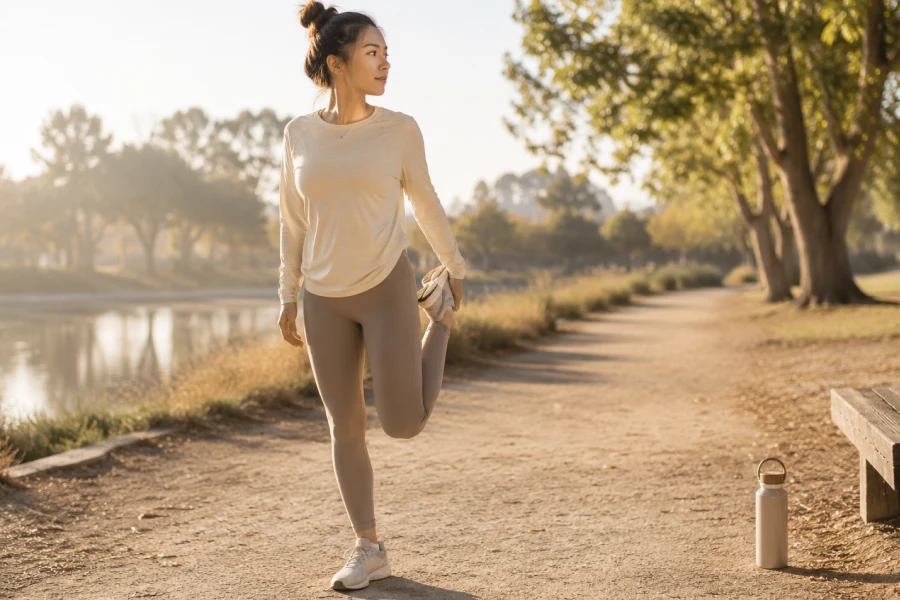
Starting a fitness routine can feel intimidating when every option seems built around teams, classes, or crowded gyms. That is why solo sports for beginners can be such a practical first step. You get movement, structure, and progress without needing a partner. The experience feels flexible from the very beginning. You can start slowly. You can adjust your pace. You can choose activities that match your personality. This makes consistency easier to build. It also removes the pressure of comparison. For many new athletes, independence becomes the reason fitness finally feels sustainable.
The biggest advantage is control. You decide when to practice, how long to move, and what pace feels realistic. A simple walk, bike ride, swim, or home mobility session can become your starting point. These activities do not require perfect skill. They reward repetition instead. New routines often fail because they demand too much too soon. A flexible approach prevents that problem. With beginner-friendly sports routines, you can focus on comfort first. Confidence grows through small wins. Progress then feels natural, not forced.
The best sport for you is not always the trendiest one. It is the activity you can imagine repeating when motivation dips. If you like quiet focus, swimming or cycling may feel right. If you prefer fresh air, hiking or jogging can work beautifully. People who enjoy rhythm may like jump rope, skating, or dance-based conditioning. Your schedule matters too. So does your budget. Some choices need equipment, while others need only shoes and time. When your activity fits your real life, showing up becomes much easier.
Confidence grows when the process feels private enough to be honest. You can learn without feeling watched. You can restart after a missed week. You can make mistakes without explaining them. That emotional safety matters more than many people realize. It helps beginners stay patient during the awkward stage. A personal pace also makes progress easier to notice. Your breathing improves. Your balance gets steadier. Your energy lasts longer. With independent workout motivation, fitness becomes less about performance and more about trust.
A beginner plan should feel light enough to repeat. Start with two or three sessions each week. Keep them short. Twenty minutes can be enough at first. Use one day for easy movement, one for skill practice, and one for gentle endurance. Rest is part of the plan. So is flexibility. If your week gets busy, shorten the session instead of skipping everything. This keeps the habit alive. A practical plan protects momentum. Over time, you can add distance, time, resistance, or technical skill.
Large goals can inspire action, but small goals create follow-through. Instead of promising a total lifestyle transformation, choose one measurable action. Walk three mornings this week. Swim ten relaxed laps. Cycle for fifteen minutes without checking your phone. Practice balance drills twice. These targets feel clear and achievable. They also give your brain proof that change is happening. With personal exercise planning, every session has a purpose. That sense of purpose keeps beginners engaged. It makes the routine feel rewarding.
Solo training requires a different kind of motivation. You are not showing up for teammates, a coach, or a class schedule. You are showing up for your own energy, mood, and future strength. That can feel powerful when framed correctly. Track simple markers, not just weight or speed. Notice sleep quality. Notice stress levels. Notice how your body feels after movement. Create a small ritual before each session. Put your shoes near the door. Choose a playlist. Make starting feel automatic. Motivation often follows action, not the other way around.
The first stage is not about mastering everything. It is about finding movement you can return to with confidence. Once that foundation exists, your options expand. You may train for a charity walk. You may try trail running. You may explore swimming, climbing, skating, or cycling more seriously. The important part is ownership. You learn what your body enjoys. You learn how progress feels. You learn that fitness can belong to you. That realization is often the beginning of a lasting active life.

Leave a comment